How Weather Conditions Affect Concrete Delivery and Placement
People seeking concrete delivery often want reliable service to ensure proper placement despite weather conditions, and local contractors can help manage these challenges effectively.
Understanding how weather conditions affect concrete delivery and placement is essential for property owners planning construction or renovation projects. Fluctuations in temperature, humidity, and precipitation can influence the timing, quality, and durability of concrete work. Property owners in the area might explore this topic to ensure their projects stay on track, avoid costly delays, and achieve the best results. By being aware of weather impacts, they can better coordinate with local contractors who are experienced in managing these variables and adjusting their methods accordingly.
Local service providers specializing in concrete delivery and placement are well-versed in weather-related challenges and can adapt their approaches to ensure optimal outcomes. Whether it’s scheduling deliveries during favorable conditions or implementing techniques to counteract adverse weather, these professionals help maintain the integrity of the project. Continuing to learn about how weather conditions affect concrete work can empower property owners to make informed decisions and connect with trusted local contractors capable of handling weather-related considerations effectively.
- Concrete Delivery services are essential when weather conditions like rain or extreme heat threaten to delay or compromise the quality of the pour, and local contractors can adjust timing and methods accordingly.
- During cold weather, local pros may implement heated mixers or additives to prevent freezing and ensure proper setting of the concrete.
- In hot, dry conditions, service providers can recommend rapid-setting mixes or protective coverings to manage the effects of high temperatures on concrete placement.
- When wind or storms are forecasted, local contractors often reschedule or take additional precautions to prevent issues such as surface cracking or improper curing.
- In unpredictable weather, experienced service providers monitor conditions closely and adapt delivery and placement techniques to maintain concrete integrity.
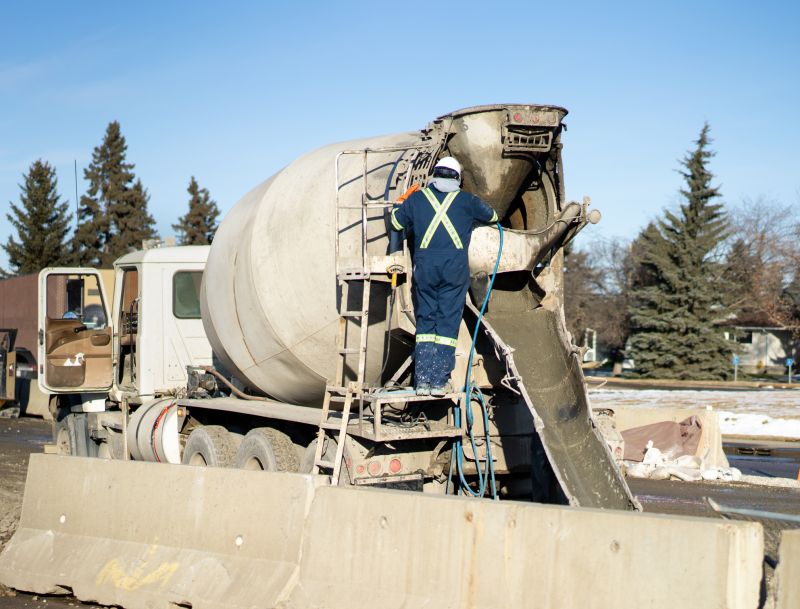
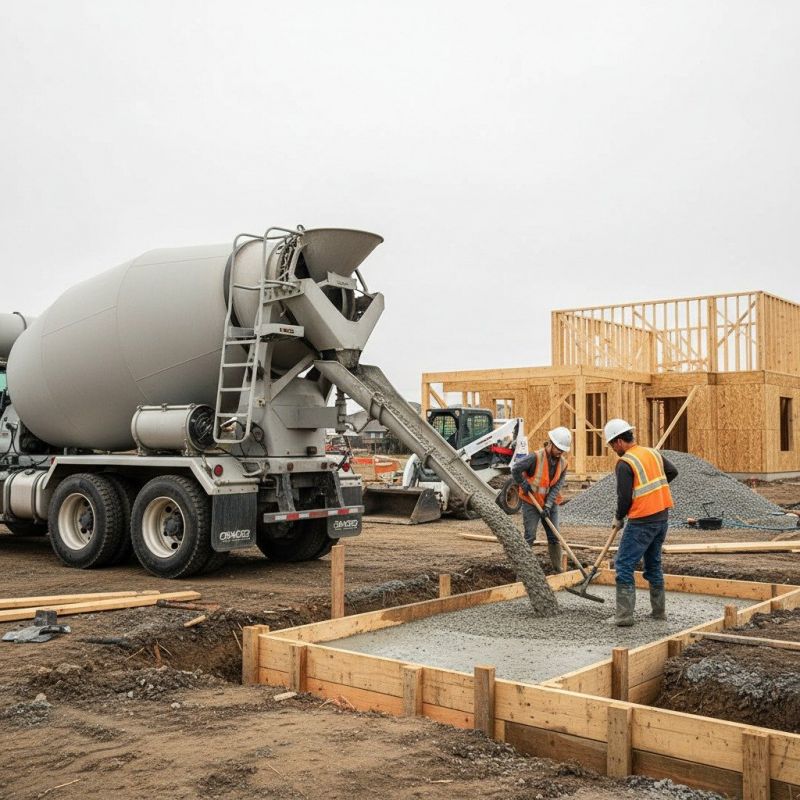
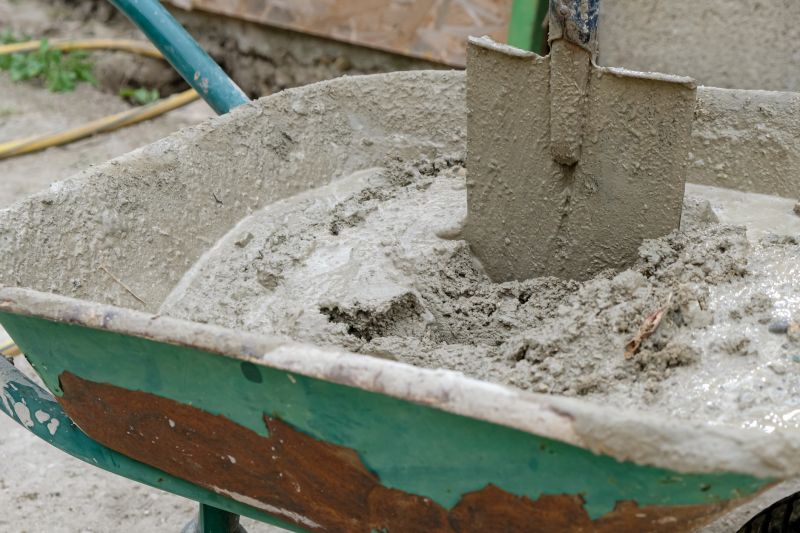
When people search for how weather conditions affect concrete delivery and placement, they are often trying to understand how different elements like temperature, humidity, and precipitation can impact their construction or renovation projects. Homeowners planning to pour a concrete driveway, patio, or foundation want to ensure that the concrete sets properly without issues like cracking, uneven curing, or delays. They may also be concerned about how unexpected weather changes could disrupt scheduled work or cause problems with the final surface. This topic is particularly relevant for those who are coordinating with local contractors or service providers to ensure their project proceeds smoothly and achieves the desired results.
The problems associated with weather conditions in concrete work often relate to delays, compromised strength, or surface defects. For example, high temperatures can cause concrete to set too quickly, leading to cracks or a weaker finish. Conversely, rain or excessive moisture can wash away cement or cause uneven curing, resulting in a surface that is rough or prone to damage. Cold weather presents its own challenges, as concrete may freeze before it properly cures, risking structural integrity. Homeowners and project planners often need to develop plans that account for these risks, such as scheduling work during favorable weather or using protective measures. Local service providers who understand these weather-related issues can help advise on timing, materials, and techniques to mitigate potential problems.
Certain properties of the concrete mixture and project location also influence how weather conditions affect delivery and placement. For example, the type of concrete used-such as rapid-setting mixes or those with additives-can be more resilient to temperature fluctuations. The geographic area, with its typical climate patterns, also plays a role in planning. Properties like the size of the project, the exposure to sun or wind, and the level of insulation or covering used during curing are all factors that can be affected by weather. When working with local contractors, homeowners benefit from their knowledge of regional weather patterns and the best practices for ensuring proper concrete curing, regardless of the conditions outside.
Understanding how weather conditions impact concrete delivery and placement helps homeowners make informed decisions about their projects. It highlights the importance of working with experienced local service providers who can adapt to changing weather and recommend appropriate precautions. These professionals can help plan around weather forecasts, suggest suitable materials, and implement protective measures like coverings or accelerants to ensure the concrete cures correctly. By considering weather factors early in the planning process, homeowners can avoid costly delays or repairs, ultimately achieving a durable and high-quality finished surface that meets their expectations.
Bridge Construction Projects - These projects require precise planning for concrete delivery and placement, especially under varying weather conditions that can impact curing and structural integrity.
Commercial Building Foundations - Local contractors experienced in foundation work understand how weather influences concrete setting times and can adapt delivery schedules accordingly.
Roadway and Highway Paving - Paving projects depend heavily on weather conditions, making the skills of local pros vital for managing concrete placement during fluctuating temperatures or rain.
Industrial Facility Foundations - Large-scale foundation projects benefit from local experts who can coordinate concrete delivery to accommodate weather-related challenges for optimal results.
Residential Concrete Slab Installations - Homeowners and contractors rely on local service providers to handle weather considerations during concrete delivery and placement for durable slabs.
Precast Concrete Manufacturing - This process involves controlled delivery and placement of precast elements, where weather can affect curing times and quality control managed by local specialists.
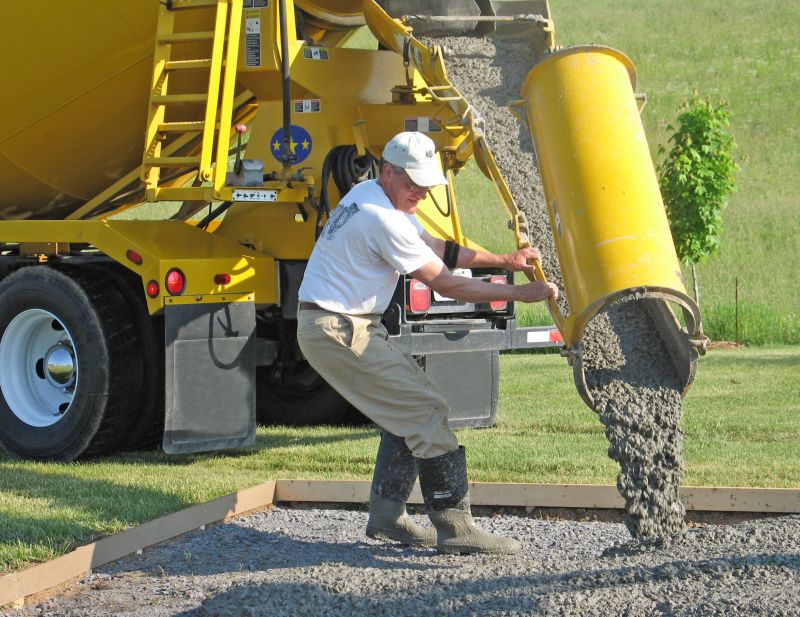
When evaluating concrete delivery services, it’s important to consider the experience that local contractors have with projects similar to your own. Concrete placement can be highly sensitive to weather conditions, and professionals with a proven track record in handling such variables are better equipped to adapt their approach accordingly. Asking for examples of previous work or references can provide insight into their familiarity with weather-related challenges and their ability to deliver consistent results despite changing conditions.
Clear, written expectations are essential when comparing local service providers for concrete delivery and placement. A detailed scope of work that outlines responsibilities related to weather considerations-such as timing, scheduling flexibility, and contingency plans-helps ensure everyone is aligned. This clarity can prevent misunderstandings and provide peace of mind that the contractor understands how weather conditions might impact the project, allowing for more effective planning and coordination.
Good communication and reputable references are key indicators of a reliable local contractor. Contractors who maintain open lines of communication can better inform homeowners about potential weather-related issues and adjustments needed during the project. Additionally, seeking references or reviews from previous clients can reveal how well a service provider manages weather-related challenges and maintains professionalism under varying conditions. This information can help homeowners make informed decisions about which local pros are best suited to handle the complexities of weather-sensitive concrete work.
Property owners often search for how weather conditions affect concrete delivery and placement when they are planning practical projects around their homes and businesses. Local pros provide Concrete Delivery services for everyday jobs and straightforward project options.


Weather conditions play a significant role in how concrete delivery and placement are managed for everyday projects around the area. Extreme temperatures, high humidity, or unexpected rain can impact the work process, causing delays or affecting the quality of the finished surface. Property owners often seek advice on how weather might influence their concrete projects and look for experienced local contractors who understand how to adapt delivery schedules and placement techniques to current conditions.
For those planning concrete work, it’s important to work with service providers who are familiar with local weather patterns and can adjust their approach accordingly. Local contractors can help ensure that concrete is delivered at the right time and placed under suitable conditions, reducing the risk of problems like cracking or setting issues. By choosing experienced professionals, property owners can better navigate weather challenges and achieve a durable, high-quality result.
How do high temperatures affect concrete delivery and placement? Hot weather can cause concrete to set too quickly, making it difficult to work with and increasing the risk of cracking. Local contractors may adjust mix designs or timing to ensure proper curing under these conditions.
What challenges do cold weather conditions pose for concrete delivery? Cold temperatures can slow down the setting process and lead to freezing, which can weaken the concrete. Experienced service providers often use insulating techniques or additives to mitigate these effects.
How does rain impact concrete placement? Rain can wash away cement or cause delays, leading to compromised surface quality. Local pros typically plan for weather delays and may use protective coverings to ensure proper curing.
Can wind affect the concrete pouring process? Strong winds can cause uneven setting or rapid evaporation, resulting in surface defects. Skilled contractors may adjust timing or use windbreaks to maintain quality during windy conditions.
Why is it important to consider weather when scheduling concrete delivery? Weather conditions influence the workability, curing, and strength of concrete. Consulting with local service providers helps ensure proper planning and adjustments for optimal results.
Monitoring weather forecasts helps property owners plan concrete delivery and placement during optimal conditions, reducing delays caused by rain or extreme heat.
Scheduling work during mild weather allows local contractors to ensure proper curing and finish quality without weather-related interruptions.
Using weather-resistant additives can assist property owners in maintaining concrete integrity when unexpected weather changes occur.
Choosing flexible delivery windows enables local service providers to adapt to changing weather, ensuring concrete is placed at the right time.
If you are thinking about how weather conditions affect concrete delivery and placement for a property, this guide is meant to help you understand this topic, the typical project types, and how different options might fit your plans.
When you are ready, you can use the quote form on this page to share a few details about your project. From there, local pros can review the basics and follow up with options that match what you have in mind.